Alexander's Obsessive, Compulsive & Harmful Behaviour
Aug 13, 2026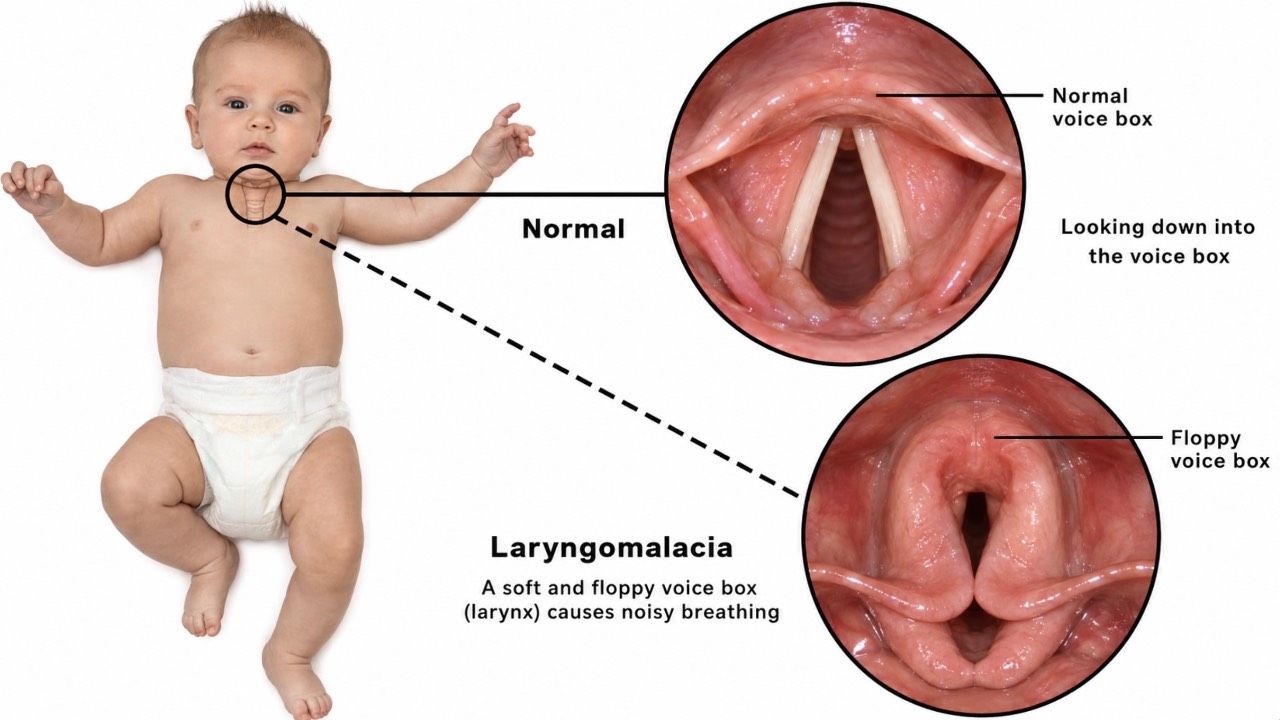
Maybe it's a surprise to think of FM being overwhelmed by his compulsive behaviour, like he had PTS or was bipolar or any of our modernised mental ailments.
When we think of FM's problem, we tend to think it was something "physical" – like he had a bad back or a knee that wasn't working. We don't tend to think of him as having a "mental" or psychological problem, do we?
But he did. And severely so.
Including depression, despair and manic obsession, by his own account.
Let's look at him from this point of view...
Firstly, he was a 'victim' of a repetitive condition of hoarseness. Because of his desire to perform, this harmed his entire identity. It wasn't only physical; it was significantly psychological – his lifelong dream was being jeopardised. And finally, like so many living with post-traumatic stress, he was unable to overcome it, despite many attempts to do so. His was a relentless condition, much as many people these days feel about their own psychological ailments.
In summary then, Alexander's 'hoarseness' was:
1. Repetitive - the condition kept returning
2. Harmful - it jeopardised his aspirations
3. Relentless - all efforts to overcome it failed
How can we think of this as a 'physical' disorder? It was plainly much, much more.
***
Jennifer Kellow, in a fascinating presentation at the first Lugano Congress in 2011, posed an outlier theory based on a conceptual framework that has been explored in psychology for more than a century — that birth can cause traumatic experiences, leading to a multitude of psychological consequences.*
In Alexander's case, Kellow proposed a specific mechanism for this. At the time of her presentation, Jennifer worked at a Neonatal Intensive Care Unit in New York, constantly caring for preterm babies.
Michael Bloch's 2004 biography of FM gave us credible evidence that Alexander was born prematurely. Based upon this, and her own experience, Kellow proposed that Alexander's respiratory difficulties were first set up by his premature birth — looking at the literature, laryngomalacia seems the best fit — and it set up a lifelong dysfunctional head/spinal pattern.※ I see FM's reaction as his response to trauma – an implicit behaviour that ultimately resulted in his voice loss in later life. Alexander seems to confirm this by writing in Use of the Self:
"I also became free from the throat and vocal trouble and from the respiratory and nasal difficulties with which I had been beset from birth." †
What does this all mean?
***
If Kellow is right, then Alexander's hoarseness was never simply a throat problem waiting for a mechanical fix. It was a pattern laid down before he had words for it – a repetitive, harmful, relentless behaviour...
Wait.
That is exactly how implicit, body-held trauma behaves. Yet somehow, FM was able to relieve himself of this trauma, then teach others how to do the same. Alexander teachers don't seem to realise that their approach to trauma is decades ahead of its time. The approach Alexander evolved to deal with his behaviour wouldn't have a name in trauma science for another sixty years...
NEXT: Somatic Trauma's Roots in Alexander's Discoveries
Stay Tuned.
***
* The idea that birth leaves a lasting imprint on the nervous system has a long history in psychology, beginning with Otto Rank's The Trauma of Birth (1924) and developed further across the twentieth century. Remember Janov's Primal Scream work? Modern somatic trauma theory – particularly Peter Levine's account of how the body holds overwhelming experience as implicit, physiological patterning rather than conscious memory – offers the most defensible current version of this idea. This piece doesn't rest on that broader claim: my argument is built on a specific postnatal condition, not on birth itself as a traumatic event. The wider question is one I'll take up later in this series.
※ Laryngomalacia is the most common cause of infant stridor: the immature, floppy laryngeal cartilage collapses inward on inhalation, partially obstructing the airway, as shown in the diagram above. The obstruction is position-dependent — airway relief is achieved by extension of the upper cervical spine, tipping the head backwards. An infant contending with this condition would therefore be repeatedly cued, from the earliest days of life, to tip the head backwards simply in order to breathe – the likely origin of a pattern that Kellow proposed was persisting into Alexander's adulthood.
† Alexander, F. M. The Use of the Self. London: Chaterson, 1946, p. 32.
NOTE
This is the 3rd in a series of 12 emails as a prelude to my Trauma-Informed Alexander workshop in London (August 23rd) and New York (October 25th). You can book at the link below. Email me for a discount if you are an AT trainee or financially challenged:
Join Jeremy's (sometimes) Daily
Hear what Jeremy's writing about now — Alexander Technique, PILANDES, Trauma-Informed Alexander, and more.