The Door Into You
Apr 24, 2026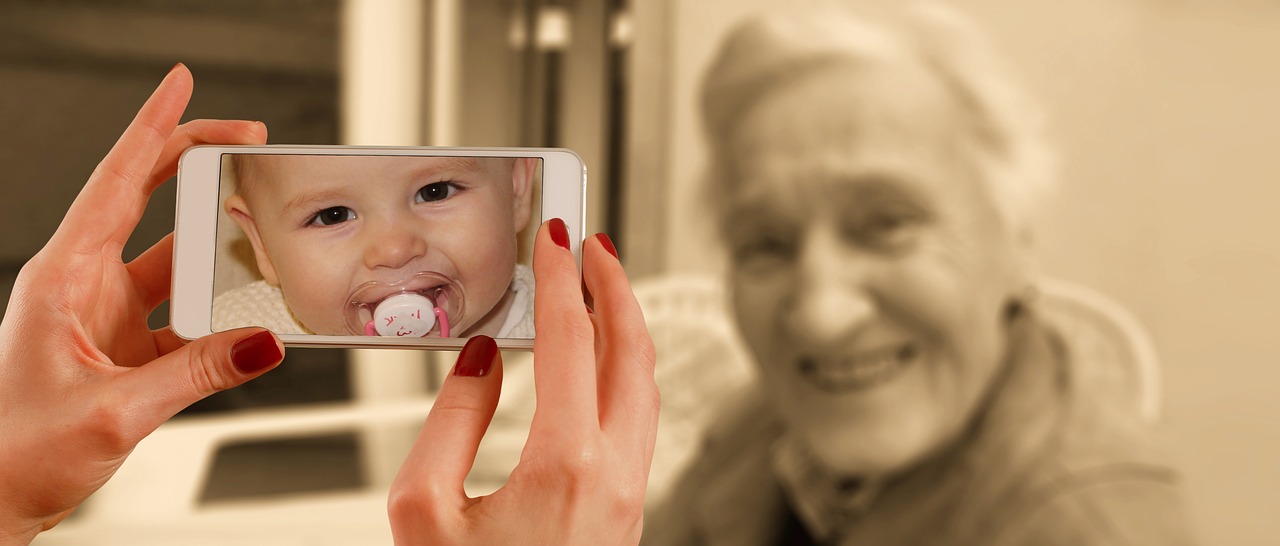
"Change involves carrying out an activity against the habit of life." — FM Alexander, Teaching Aphorisms, #11
Alexander mentions "the habit of life" in the quote above.
In PILANDES you meet your habit of life — and it is never what you expected.
For example, in Ginza last week, I was using my touch to show one young educator how she could let her rib cage move posturally upwards and forwards from the Flamenco Joints: the ribcage-lower back junction between T12 | L1 in your spine. She successfully allowed that to happen.
"How do you feel now?" I asked her.
She was smiling — obviously it felt pleasant — but she worried: "I am leaning forward now."
I asked everyone in the room to look: Is she leaning forward now?
No, came the collective answer, she is standing straight.
A look of great surprise came into her face. It is at times like these that I often ask people to have a friend take a photo of them on their smartphone, so their eyes can see that their conclusion is wrong. Remember to ask if you come to a Trial.
Her conclusion about leaning forward had two parts. The first — sensory — was correct: she really was moving further forward from her normal stance. The second — cognitive — was wrong: she was not leaning forward, she was straight. This is how we create myths.
Why did she have this myth?
Because, in her habit of life, whenever she was standing, she usually leaned back, but this positioning had come to feel normal. It had become her cognitive idea of standing straight.
This was her habit of life myth: she was not standing straight, she was leaning back.
Because she was leaning back, her postural system had politely rearranged everything around that. Her hip joints shifted forward in space; her knees locked back to stop her falling; her quadriceps on the front of the thigh fired up to maintain this new positioning. Each adaptation was intelligent — a perfect response to the one before it. However, standing like this for hours can cause your back to ache and will certainly tire your legs — but not because anything went wrong.
Because everything went exactly right.
You can't blame your postural system for your aches and pains. It was responding perfectly to the wish to lean back. If it hadn't locked her knees and fired off her quadriceps — she would have fallen to the floor. Your postural movements always have your well-being at heart.
Just sometimes — we make them work unnecessarily hard.
My PILANDES touch invited her to restore the natural postural movement for her rib cage to move forward and up from the Flamenco Joints (T12 | L1). As she followed her PILANDES postural direction, her hips came back underneath her, immediately allowing her to release the legs and knees from all the extra work they had been doing. She smiled because it felt so much easier to stand like that.
Of course it is easier. You are designed to stand that way — but within your habit of life, you don't even realise what you are doing. In PILANDES you will learn all about your postural movements, and how they can bring more pleasure and freedom to your Pilates exercises.
When you first experience PILANDES you are bound to have these strange new sensory experiences.
Your own dog's nose will wake up to it.
However, one thing will always be true:
It feels better.
Come and try it.
PILANDES Workshops 2026
LONDON: August 8 | 23
NEW YORK: October 24 | 25
Join Jeremy's (sometimes) Daily
Hear what Jeremy's writing about now — Alexander Technique, PILANDES, Trauma-Informed Alexander, and more.