What Am I Supposed To Do Next?
Jun 07, 2026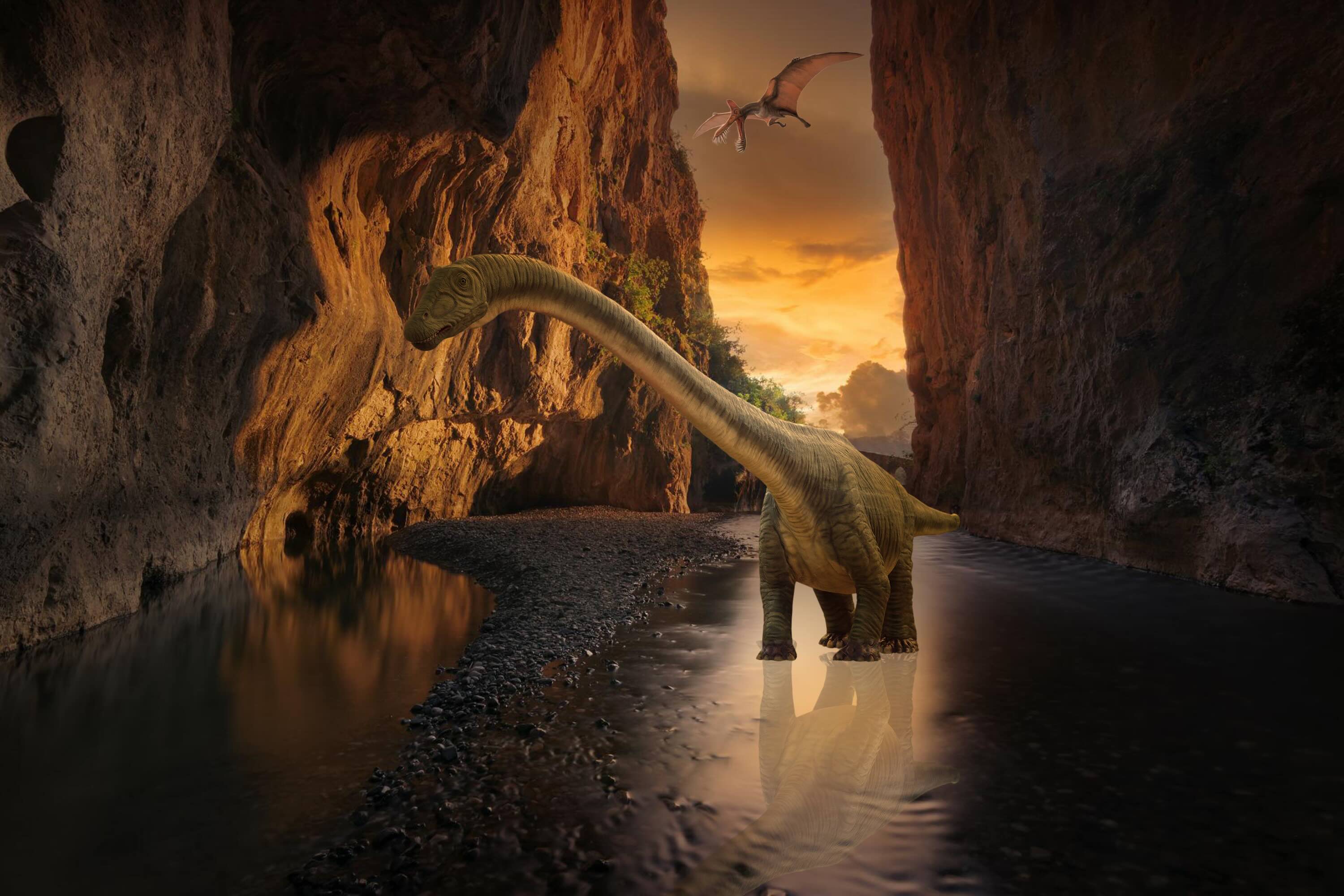
"You can't change the course of Nature by co-ordinating yourself." — FM Alexander, Teaching Aphorism, #8
In Pilates, you are so used to getting a definite and distinct idea of what to do next, that it makes PILANDES feel almost frustrating – because there is no clear answer…
In PILANDES, you can’t possibly know what postural support will do next because it is immensely complex. PILANDES involves a systemic response to a specific action. The action you can know, the systemic response you can not know. It’s dynamic, not static.
Your Postural Movement System (PMS) does not care what position you are in: you can be hanging upside down by your teeth while spinning around, and your PMS will still find a way to optimise you in an efficient way, if you let it.
If you let it.
If you let it – that’s your job. That’s PILANDES.
When you get bossy and tell PMS: hold me this way, put this part there, keep holding on to this etc. etc. — you will soon have trouble in your body.
You can’t hack into Nature like that.
***
Here’s a simple overview of how VMS | PMS work together in Pilates | PILANDES:
VMS: Pilates drives the conscious, volitional, Voluntary Movement System (VMS)
PMS: PILANDES navigates the unconscious automation of the Postural Movement System (PMS)
It happens like this:
In Pilates you want to know what to do.
In PILANDES you want to know what not to do.
In Pilates the correct position is important.
In PILANDES the position doesn’t matter.
In Pilates you ask: “What do I do next?”
In PILANDES you say: “Let the right thing happen.”
Both are necessary: each has a different role to play.
Until Alexander's discoveries, people paid too much attention to VMS. They began to think that not only could VMS direct their movements, but VMS could also help sustain their posture. This led to all kinds of superfluous instructions such as “tuck in the tail” or “tighten the tummy muscles” or “keep the feet parallel” or “pull the shoulders back”.
When you study PILANDES you abandon all of that. What a relief.
Instead, you trust your Postural Movement System – movement that has been in evolution for over 500 million years. Dinosaurs belong to Chordata too – we are both vertebrates in this Phylum…
I wonder if dinosaurs ever tried to tighten their tummy muscles or keep their feet parallel?
Or did a dinosaur ever wonder: “What am I supposed to do next?”
Probably not. But luckily, we humans do wonder…
NEXT: The Final Call
Stay tuned.
2026 Workshops
LONDON:
August 8 – PILANDES
August 23 – Trauma-Informed AT
NEW YORK:
October 24 – PILANDES
October 25 – Trauma-Informed AT
Join Jeremy's (sometimes) Daily
Hear what Jeremy's writing about now — Alexander Technique, PILANDES, Trauma-Informed Alexander, and more.