Why Are You Hiding?
Aug 12, 2026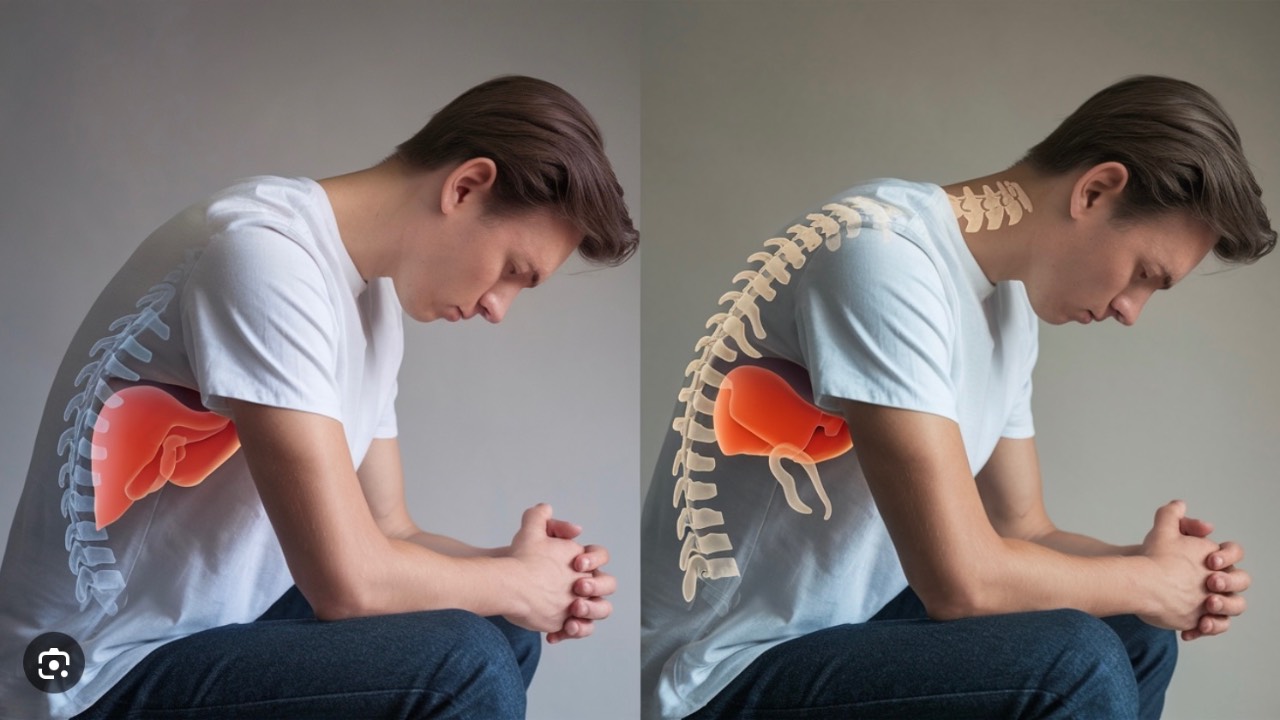
When I first read this passage, it was like being kicked in the stomach:
"If we observe carefully, we discover that the incessant, obsessive attempt to change ourselves, to improve ourselves, to be something different, is actually powered by self-hatred. This may be difficult or painful to consider, but think about how much we criticize ourselves, judge ourselves, attack ourselves, reject ourselves, push and pull ourselves." *
The life of an artist involves a lot of what Almaas is referring to here...
It's a humbling concept, yet one that also appears in Alexander's own observations over and over again:
"Trying is only emphasising the thing we know already." (FM Teaching Aphorism #118)
My precious teacher Marjorie Barstow (1899-1995) put it another way:
"You can't use the habit to change the habit - it doesn't work that way."
***
Welcome to the second in my series of exploring how Alexander's discoveries relate to the traumas of living: to depression, shame, anxiety, unexplained pains, disease and discontent.
Is there anyone reading who hasn't experienced something of this?
I started with the assumption that we are artists to some degree or another. And that a key feature of most artists is the need to hide themselves: either through bluster or withdrawal. To show a good face to the world while running hard away from it.
Could it be that Almaas is right: self-hate is the fundamental driver of our discontent?
Then no wonder we want to hide: shame would be driving that need. And yet, as Almaas points out, the work to try to improve — to get out of this morass — is that same drive now appearing as its own counterpoint: one needs the other to exist at all.
This same situation faces a person slumping in a chair.
They have a desire to sit up straight (VMS)※ — which arises from the discomfort of their slump — so they roll forward at the pelvis while arching the chest back in an effort to lengthen their spine. Yet the cause of their slump — the suppression of the optimising abilities of the head/spinal relationship (PMS)† — continues on. Now they are at war against their own Self and are defeated by the same impulse that started the war. The slump returns in an ever-worsening cycle of hopeless repetition.
Could this same mechanism be driving the cycles of depression that haunt us? Are our slumps another way to understand our depressions?
This suggests that Alexander's work contains seeds of revelations to sow for our emotional lives. Alexander discovered that the head/spinal relationship was a "primary control" in the use of our Self, but that still leaves us with another question:
Why did we pull down in the first place?
NEXT: Alexander's Obsessive, Compulsive & Harmful behaviour
Stay Tuned.
* A. H. Almaas, The Unfolding Now, pg. 101.
※ VMS — Voluntary Movement System. In the slumping example given above, the person is using strong, volitional efforts to alter the arrangements of their pelvis, head and spine, thereby imposing a new set of conditions over what has already been imposed.
† PMS — Postural Movement System. The original slump is caused by earlier interference from VMS, which manages to smother the natural optimising ability of PMS. The postural system is not energised by even more voluntary effort — on the contrary, the smothering of its optimising abilities intensifies, resulting in an ever-worsening condition.
NOTE
This is the 2nd in a series of 12 emails as a prelude to my Trauma-Informed Alexander workshop in London on August 23rd and New York on October 25th. You can book at the link below. Email me for a discount if you are an AT trainee or financially challenged:
Join Jeremy's (sometimes) Daily
Hear what Jeremy's writing about now — Alexander Technique, PILANDES, Trauma-Informed Alexander, and more.